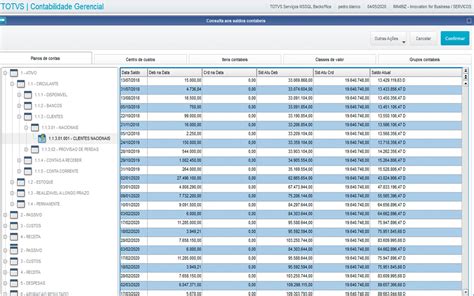
Welcome to our guide on exploring Protheus ERP! Whether you’re a business owner looking to streamline your operations or an IT professional tasked with implementing a new system, understanding Protheus ERP is essential. In this article, we will cover everything you need to know about this robust enterprise resource planning software, from its features to its benefits and how it can help your organization succeed.
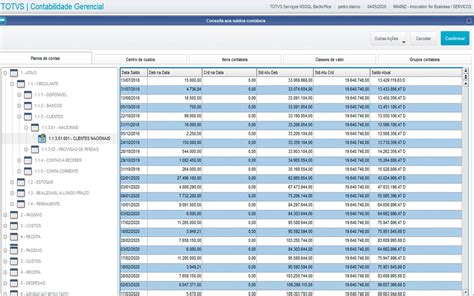
Overview of Protheus ERP system
Protheus ERP is a comprehensive enterprise resource planning system that offers a wide range of integrated modules to help businesses manage their operations efficiently. It is designed to streamline business processes, improve productivity, and provide real-time data for better decision-making. Protheus ERP covers various aspects of business operations, including finance, human resources, inventory management, manufacturing, and sales. With its user-friendly interface and customizable features, Protheus ERP is suitable for small to large enterprises in various industries.
One of the key features of Protheus ERP is its ability to centralize data from different departments into a single database, eliminating the need for manual data entry and reducing the risk of errors. This means that employees can access up-to-date information from anywhere in the organization, making collaboration and communication more efficient. Protheus ERP also provides tools for data analysis and reporting, allowing businesses to track performance metrics, identify trends, and make informed decisions.
In addition to its core modules, Protheus ERP offers a range of add-on modules that can be customized to meet the specific needs of each business. These modules include advanced planning and scheduling, customer relationship management, business intelligence, and e-commerce integration. By selecting the modules that best suit their operations, businesses can tailor Protheus ERP to their unique requirements and scale their system as they grow.
Protheus ERP is known for its scalability and flexibility, making it suitable for businesses of all sizes and industries. Small businesses can start with a basic package and add additional modules as they expand, while larger enterprises can implement a fully integrated system to manage complex operations across multiple locations. With its modular approach, Protheus ERP can adapt to changes in the business environment, ensuring that businesses stay competitive and agile in the market.
Overall, Protheus ERP is a powerful tool that can help businesses streamline operations, improve efficiency, and drive growth. By centralizing data, providing real-time insights, and offering customizable modules, Protheus ERP enables businesses to optimize their processes and make informed decisions. Whether you are a small startup or a large corporation, Protheus ERP can provide the tools you need to succeed in today’s competitive business landscape.
Key features and functionalities of Protheus ERP
Protheus ERP is a powerful and comprehensive software solution designed to streamline various business processes and enhance efficiency. With a wide range of features and functionalities, Protheus ERP offers a one-stop solution to meet the needs of small, medium, and large enterprises.
One of the key features of Protheus ERP is its integrated approach to business management. It combines different modules such as financial management, inventory management, human resources, customer relationship management, and procurement in a single platform. This integration ensures seamless communication between different departments, leading to improved coordination and collaboration within the organization.
Protheus ERP also offers customizable dashboards and reporting tools that provide real-time insights into the business operations. Users can easily track key performance indicators, monitor sales trends, analyze financial data, and generate comprehensive reports to make informed decisions. The interactive dashboards offer a visual representation of data, making it easier for users to identify trends and patterns.
Another significant feature of Protheus ERP is its scalability. The software is designed to grow with the business, allowing users to add new modules, users, or functionalities as the organization expands. This scalability ensures that Protheus ERP can adapt to the changing needs of the business and continue to provide value in the long run.
Protheus ERP also offers advanced inventory management features, including real-time tracking of stock levels, automated replenishment, and forecasting tools. This helps businesses optimize their inventory levels, reduce carrying costs, and minimize stockouts. With Protheus ERP, users can also set up alerts for low stock levels, track expiration dates, and manage multiple warehouses efficiently.
Additionally, Protheus ERP comes with robust security features to protect the sensitive data of the organization. The software offers role-based access control, encryption, and audit trails to ensure that only authorized users can access confidential information. This helps organizations comply with data protection regulations and safeguard their data from unauthorized access.
Protheus ERP also offers seamless integration with third-party applications and systems, allowing businesses to leverage existing tools and technologies. Whether it’s integrating with e-commerce platforms, payment gateways, or CRM systems, Protheus ERP makes it easy for businesses to connect different software solutions and streamline their operations.
In conclusion, Protheus ERP offers a comprehensive suite of features and functionalities that can help businesses streamline their operations, improve efficiency, and drive growth. With its integrated approach to business management, customizable dashboards, scalability, advanced inventory management, robust security features, and seamless integration capabilities, Protheus ERP is a versatile software solution that can meet the diverse needs of modern enterprises.
Benefits of using Protheus ERP for businesses
Protheus ERP (Enterprise Resource Planning) is a powerful software solution that helps businesses streamline their operations, improve efficiency, and increase productivity. With Protheus ERP, companies can integrate various functions such as accounting, inventory management, human resources, and customer relationship management into one centralized system. There are several benefits for businesses that choose to implement Protheus ERP:
1. Improved efficiency: One of the key benefits of using Protheus ERP is the improved efficiency it brings to businesses. By integrating all business processes into a single system, employees can access real-time data and make informed decisions quickly. This leads to streamlined operations, reduced manual tasks, and increased productivity.
2. Better decision-making: Protheus ERP provides businesses with valuable insights through data analytics and reporting. By having access to accurate and up-to-date information, management can make informed decisions to drive the business forward. Whether it’s forecasting sales, analyzing financial performance, or optimizing inventory levels, Protheus ERP helps businesses make strategic decisions.
3. Enhanced collaboration: Another significant benefit of using Protheus ERP is the enhanced collaboration it fosters among departments. With all data stored in a centralized system, employees can easily share information, collaborate on projects, and communicate effectively. This leads to improved coordination, teamwork, and overall productivity within the organization.
4. Scalability: Protheus ERP is designed to scale with growing businesses. As companies expand and evolve, Protheus ERP can accommodate changing needs and accommodate increased data volume. This scalability ensures that businesses can continue to benefit from Protheus ERP as they grow and expand their operations.
5. Cost savings: Implementing Protheus ERP can lead to significant cost savings for businesses. By streamlining processes, reducing manual tasks, and eliminating data silos, companies can lower operational costs and improve overall efficiency. Additionally, Protheus ERP helps businesses identify areas for cost optimization and improve resource allocation.
6. Compliance and security: Protheus ERP helps businesses comply with regulations and maintain data security. With features such as access controls, audit trails, and data encryption, Protheus ERP ensures that sensitive information is protected and only accessible by authorized users. This helps businesses maintain compliance with industry standards and regulations.
In conclusion, Protheus ERP offers businesses a range of benefits, from improved efficiency and better decision-making to enhanced collaboration and cost savings. By leveraging the power of Protheus ERP, companies can streamline operations, drive growth, and stay competitive in today’s fast-paced business environment.
Implementation process of Protheus ERP
Implementing Protheus ERP can be a complex and time-consuming process, but with the right planning and execution, it can greatly benefit a company’s operations. The implementation process generally consists of several key steps:
1. Planning and assessment: Before starting the implementation process, it is important to conduct a thorough assessment of the company’s current systems, processes, and goals. This can help identify areas that need improvement and set clear objectives for the Protheus ERP implementation. A detailed plan should be created, outlining the timeline, resources, and tasks required for the implementation.
2. Configuration and customization: Once the planning stage is complete, the next step is to configure the Protheus ERP system to meet the specific needs of the company. This may involve customizing modules, setting up user permissions, and integrating with other systems. It is important to work closely with the vendor or implementation team to ensure that the system is configured correctly and tailored to the company’s requirements.
3. Training and testing: Training is a crucial aspect of any ERP implementation, as employees need to be familiar with the new system in order to effectively use it. Training sessions should be conducted for all relevant staff members, covering topics such as system navigation, data entry, and reporting. Additionally, thorough testing should be performed to identify and resolve any issues or errors before the system goes live.
4. Data migration and Go-live: One of the final steps in the implementation process is migrating data from existing systems to the Protheus ERP platform. This can be a challenging task, as data quality and integrity must be maintained throughout the migration process. It is important to carefully map out the data migration strategy, ensuring that all necessary data is transferred accurately and securely. Once data migration is complete, the system can be set live, and employees can begin using Protheus ERP in their day-to-day operations.
Overall, the implementation process of Protheus ERP requires careful planning, communication, and collaboration between the company and the implementation team. By following these key steps and best practices, companies can successfully implement Protheus ERP and optimize their business processes for greater efficiency and success.
Protheus ERP customization options
Protheus ERP provides a wide range of customization options that allow businesses to tailor the software to their specific needs. These customization options are designed to help companies improve efficiency, streamline processes, and enhance overall productivity. Here are five key customization options available with Protheus ERP:
1. User Interface Customization: Protheus ERP allows users to customize the user interface to match their preferences and workflows. This includes the ability to rearrange menus, add shortcuts, and personalize the look and feel of the software. By customizing the user interface, businesses can create a more user-friendly experience for employees, leading to increased efficiency and productivity.
2. Workflow Customization: With Protheus ERP, businesses can customize workflows to automate repetitive tasks, streamline processes, and improve overall efficiency. This includes the ability to define rules, triggers, and notifications to ensure that tasks are completed in a timely manner. By customizing workflows, businesses can reduce manual errors, minimize delays, and optimize resource utilization.
3. Report Customization: Protheus ERP offers robust reporting capabilities that allow businesses to create custom reports tailored to their specific requirements. This includes the ability to define report templates, filters, and parameters to generate actionable insights and make informed decisions. By customizing reports, businesses can access real-time data, track key performance indicators, and monitor business performance effectively.
4. Integration Customization: Protheus ERP can be integrated with third-party applications and systems to enhance functionality and streamline processes. Businesses can customize integrations to enable seamless data exchange, automate data synchronization, and eliminate manual data entry. By customizing integrations, businesses can centralize data management, improve data accuracy, and enhance collaboration across departments.
5. Module Customization: One of the most powerful features of Protheus ERP is the ability to customize modules to meet specific business requirements. This includes the ability to add custom fields, create custom workflows, and define custom business rules. By customizing modules, businesses can adapt the software to their unique processes, workflows, and industry-specific needs.
Overall, Protheus ERP offers a wide range of customization options that empower businesses to optimize their operations, improve efficiency, and drive growth. By leveraging these customization options, businesses can tailor the software to their specific needs, streamline processes, and enhance overall productivity.